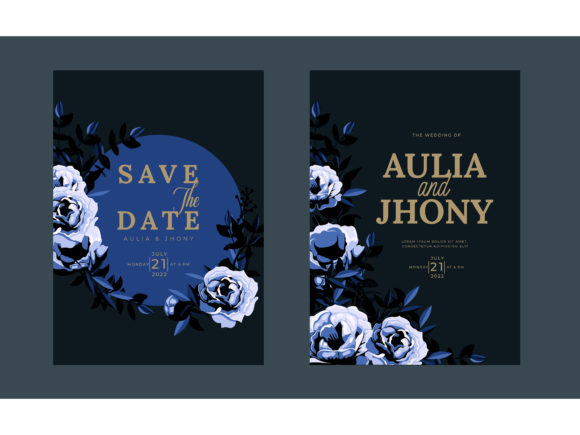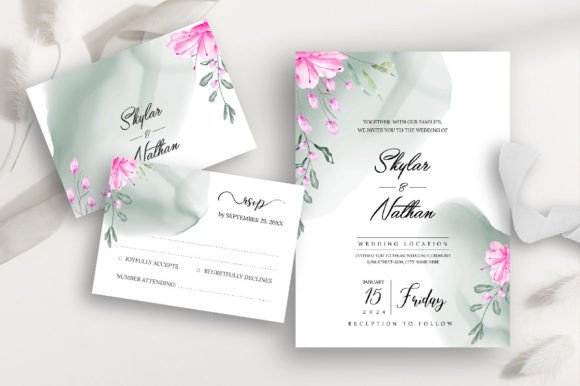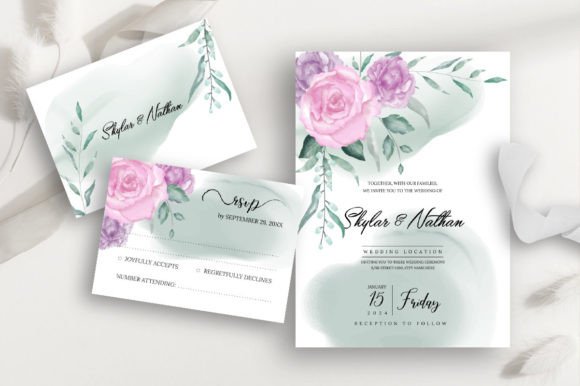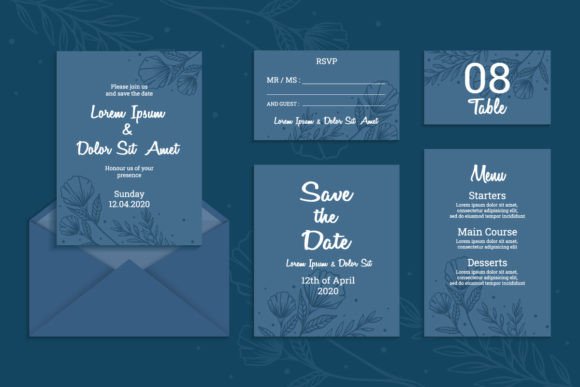
Hand Draw Floral Wedding Invitation: A Designer's Dream Asset
There’s a moment in every creative project where you need something that feels both personal and polished—something that whispers elegance without shouting for attention. That’s exactly where a hand-drawn floral wedding invitation style shines. It’s not just about pretty petals and swirling vines; it’s about capturing the warmth of a personal touch in a format that’s ready for professional use. Whether you’re designing for a client’s big day, crafting your own brand materials, or adding a romantic flair to a marketing campaign, this kind of versatile design asset bridges the gap between artisan charm and commercial readiness.
Why Hand-Drawn Florals Resonate in Modern Design
In a world saturated with sleek, digital perfection, there’s a growing hunger for authenticity. Hand-drawn elements—like those found in a floral wedding invitation set—bring a human quality that resonates emotionally. They evoke feelings of nostalgia, care, and craftsmanship. This isn’t just about aesthetics; it’s about connection. When used in branding, for example, these organic lines and imperfect curves can make a logo feel more approachable, a social media post more relatable, and packaging more memorable.
Think about how a boutique bakery might use a delicate floral border on its cake boxes, or how a wedding planner could weave these motifs into their website headers. The style isn’t limited to weddings; it’s a visual language that speaks of beauty, growth, and celebration—ideal for brands in wellness, beauty, lifestyle, and beyond. Because it’s 100% vector, you can scale these elements from a tiny favicon to a large-format poster without losing a single detail of that hand-crafted look.
Practical Applications Beyond the Wedding Suite
While the name suggests nuptials, the true value of a hand-drawn floral asset lies in its adaptability. Let’s walk through some real-world scenarios where this style can elevate your work.
Branding & Logo Design: A floral monogram or a subtle vine accent can become the cornerstone of a brand identity for a florist, a journaling app, or an artisan soap company. The organic feel helps differentiate a brand in crowded markets.
Packaging Design: Imagine a tea box adorned with gentle botanical illustrations, or a cosmetics line where each product features a unique floral element. This attention to detail can significantly enhance perceived value and shelf appeal.
Digital Presence: From Instagram story templates to website hero images, these illustrations add a layer of sophistication. They work beautifully as background textures, frame elements, or standalone graphics in blog posts and email newsletters.
Print & Editorial: Book covers, magazine layouts, and menu designs can all benefit from this aesthetic. The key is using the florals as accents rather than overwhelming the content—letting them frame headlines or highlight key sections.
Merchandise & Products: Think beyond paper. These vectors are perfect for creating patterns for scarves, designs for tote bags, or artwork for prints and posters. The commercial license opens doors for creating sellable goods.
Ensuring Visual Consistency Across Projects
One of the biggest challenges in design is maintaining a cohesive look across multiple touchpoints. This is where a well-crafted asset pack truly proves its worth. When you have a consistent set of hand-drawn elements—in this case, provided in .Ai, .EPS, and .JPG formats—you can seamlessly integrate them into various projects.
For instance, a small business owner could use the same floral motif on their business card, their website’s ‘About Us’ page, and their product labels. This repetition builds brand recognition. The vector files ensure that whether you’re working in Adobe Illustrator, CorelDraw, or another compatible program, the lines remain crisp and editable. You can adjust colors to match your brand palette, resize without quality loss, and even isolate individual elements like a single rose or a leaf cluster for smaller applications.
Making the Right Choice for Your Creative Toolkit
When selecting any design asset, it’s wise to consider a few practicalities. First, look at the file formats included. A pack that offers vector files (.Ai, .EPS) alongside raster ones (.JPG) provides flexibility for both print and digital workflows. Second, check the color mode. RGB is standard for digital use, but if you’re planning extensive print work, you may need to convert to CMYK—a simple step in most vector software.
Next, think about style compatibility. Does the hand-drawn floral style complement your existing fonts and imagery? Try pairing it with a clean sans-serif for a modern contrast, or with a elegant serif for a classic feel. Always test your combinations in context. Place the floral elements next to your body text, your logo, or your product photos. Does it enhance readability, or does it compete for attention? The goal is harmony, not clutter.
Finally, consider licensing. For any commercial project, ensure the asset comes with a license that permits your intended use—whether for client work, merchandise, or digital products. This protects both you and the original creator.
Integrating Floral Elements with Purpose
The most effective use of any decorative element is intentional. Ask yourself what role the floral design should play. Is it to add a festive, celebratory tone? To evoke nature and freshness? To soften a corporate layout? Your answer will guide how heavily you incorporate it.
For a minimalist brand, a single, delicate vine accent might suffice. For a romantic event invitation, a fuller arrangement could frame the text beautifully. In social media graphics, a small floral corner can draw the eye to a call-to-action without overwhelming the message. The versatility of vector art means you have complete control—you can change colors, remove parts, or combine elements to create something uniquely yours.
This asset isn’t just a decorative bundle; it’s a toolkit for storytelling. It allows designers, entrepreneurs, and creators to infuse their projects with a sense of care and artistry that resonates with audiences. In a digital age where personal connection is prized, that hand-drawn touch might just be the detail that sets your work apart.